

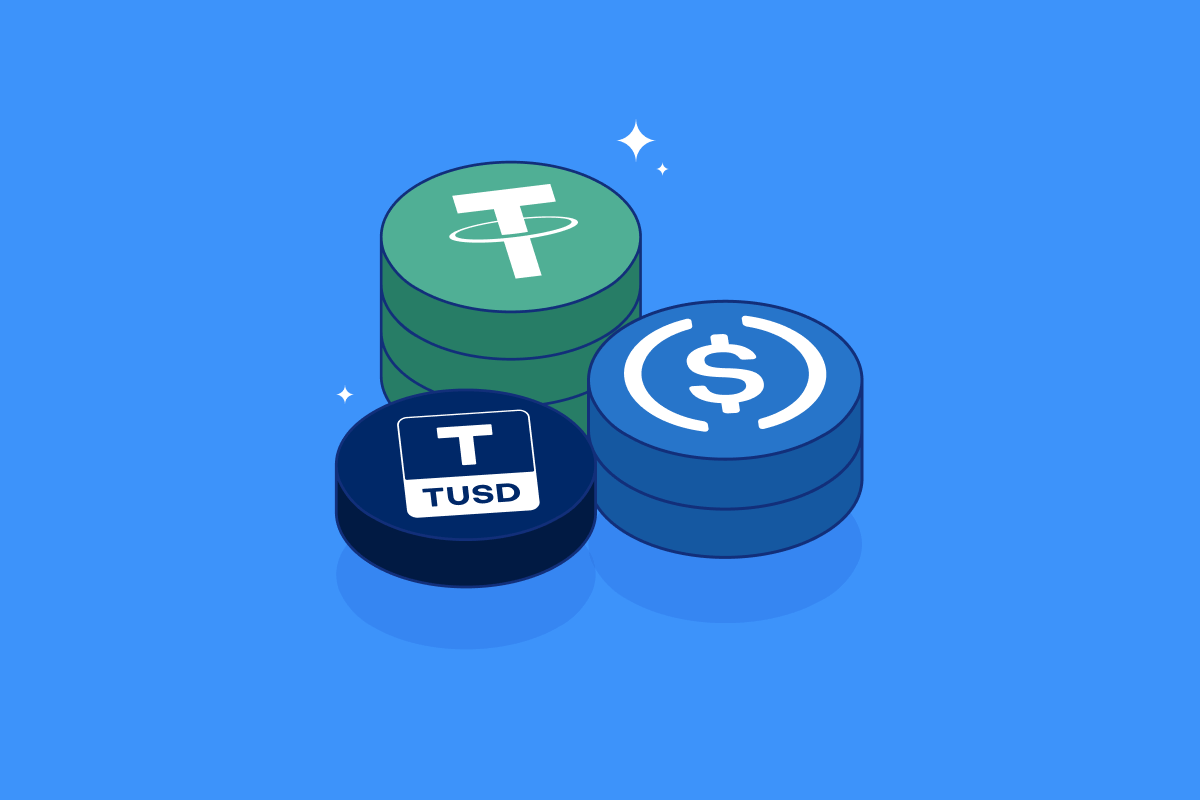
If you’ve spent any time near crypto Twitter recently, you’ve probably noticed a shift; more people are talking about stablecoins. These coins were seemingly boring, but now, they’re everywhere.
So what exactly are they, and why is the most “exciting” corner of finance suddenly obsessed with the least exciting asset in crypto?
Let’s break it down.
What Is a Stablecoin, Actually?
A stablecoin is a cryptocurrency built to hold a steady value. It’s usually pegged 1:1 to a currency like the US dollar, so you buy one, and in theory, it’s always worth the currency.
Unlike cryptocurrencies like Bitcoin whose values change every day, stablecoins are built to maintain their value regardless of how the market moves. That’s how they got their names; for their stability.
There are a few common types of stablecoins available:
- Fiat-backed stablecoins: These coins are backed by real dollars (or dollar-equivalent assets like Treasury bills) sitting in reserve somewhere. USDT and USDC are the big names here, and together they still dominate the market.
- Crypto-backed stablecoins: These coins are backed by other cryptocurrencies, and they have mechanisms to maintain their stability.
- Algorithmic stablecoins: These coins use code and incentives instead of reserves to hold their value. However, in recent times, they’ve become less popular.
So Why Are They Valuable?
Stablecoins combine the benefits of traditional cash and crypto.
With stablecoins, you can send money to anyone, no matter where they are in the world. Because they are cryptocurrencies, your transaction goes through in seconds; not days. However, unlike regular cryptos, stablecoins maintain their value, so you and the other person you’re transacting with don’t have to worry about price changes when sending money.
Okay, But Why Is Everyone Talking About Them Now?
In recent times, stablecoins have grown quite a lot. According to DeFi Llama, the stablecoin market is valued at $310 billion. USDT is the biggest stablecoin out there, but there are other top options like USDC and DAI.
So, why have these assets become so popular?
- Improved Regulation: More countries have recognized stablecoins. As such, financial institutions now transact more using them.
- Their Use For Payments: Today, more and more payment services have adopted stablecoins due to their speed and stability.
- Banks Are Paying Attention: As stablecoins have continued to grow, banks have also taken notice. So, we expect the adoption to only keep growing.
In short: stablecoins went from “the boring crypto asset” to “the thing that might actually change how money moves globally” — and that’s a genuinely interesting story, even if the coin itself is designed to be dull.
The Bottom Line
Stablecoins aren’t trying to make you rich overnight. They’re trying to be the reliable, boring bridge between traditional money and the crypto and payments world — and that “boring” quality is precisely why institutions, regulators, and fintechs are taking them seriously in 2026. Sometimes the least exciting asset in the room turns out to be the one that actually changes something.