

Have you ever sent Bitcoin or another cryptocurrency and found yourself refreshing your wallet, waiting for the transaction to go through? You’re certainly not alone.
While sending crypto may seem as simple as clicking “Send,” there’s a sophisticated verification process happening behind the scenes before the funds officially reach the recipient. Every transaction must be checked, validated, and permanently recorded to ensure the network remains secure and trustworthy.
In this guide, we’ll walk you through exactly how cryptocurrency transaction verification works.
What Does Transaction Verification Mean?
When you make a bank transfer, your bank verifies that you have enough funds and authorizes the payment. With cryptocurrencies, there is no bank or central authority performing this role.
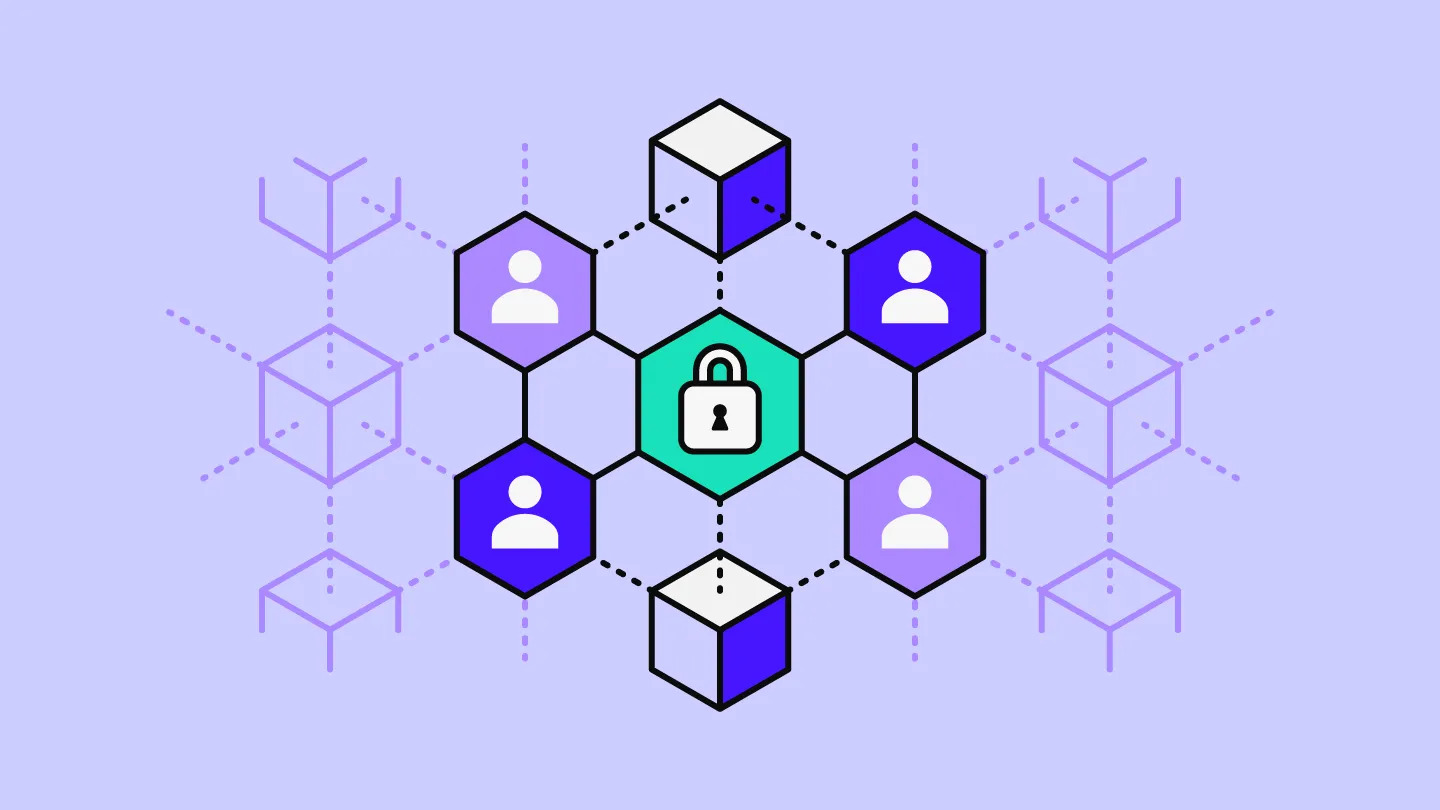
Instead, with crypto, thousands of computers work together to verify every transaction. These computers, known as nodes, ensure that:
- The sender actually owns the cryptocurrency being spent.
- The funds haven’t already been used elsewhere.
- The transaction follows the rules of the blockchain.
This collective verification process prevents fraud, especially the double-spending problem, where someone attempts to spend the same cryptocurrency more than once.
Without this decentralized system, blockchain networks simply wouldn’t be secure.
How a Crypto Transaction Is Verified
From the moment you hit Send until the recipient receives their funds, your transaction passes through several important stages.
1. The Transaction Is Signed
Every cryptocurrency wallet contains two cryptographic keys:
- A public key, which serves as your wallet address.
- A private key, which serves as your wallet password.
When you initiate a transaction, your wallet uses the private key to generate a digital signature. This signature confirms that you authorized the payment without exposing your private key to anyone.
2. The Transaction Is Broadcast
After it’s signed, the transaction is sent across the blockchain network.
Your wallet sends it to nearby nodes, which then relay it to thousands of other nodes worldwide. Within seconds, the transaction becomes visible across the network.
3. Nodes Verify the Transaction
Each node independently checks whether the transaction is valid.
These checks typically include:
- Confirming the digital signature is authentic.
- Verifying that the sender owns the funds.
- Ensuring the funds haven’t already been spent.
- Confirming the transaction follows the blockchain’s protocol.
If any of these checks fail, the transaction is rejected immediately.
4. Miners or Validators Confirm the Transaction
Depending on the blockchain’s consensus mechanism, either miners (Proof of Work) or validators (Proof of Stake) select transactions from the blockchain.
Transactions offering higher network fees are generally prioritized because they provide greater incentives for processing.
The selected transactions are grouped together into a block.
6. The Transaction Is Added to a Block
After the network reaches consensus, the proposed block is accepted.
Every transaction inside that block is now officially confirmed and recorded alongside a timestamp and cryptographic reference to the previous block.
7. The Block Is Added to the Blockchain
Finally, the validated block is appended to the blockchain.
Every node updates its copy of the ledger, making the transaction a permanent part of the blockchain’s history.
At this stage:
- The recipient receives the funds.
- The transaction becomes effectively irreversible.
- The blockchain records remain immutable.
How Long Does Verification Take?
Confirmation times differ depending on the blockchain being used.
Typical confirmation speeds include:
- Bitcoin: Around 10–60 minutes for the first confirmation. Many exchanges wait for six confirmations for maximum security.
- Ethereum: Usually confirms within a few minutes thanks to much shorter block times.
- Solana: Often finalizes transactions in less than a second.
- XRP Ledger: Transactions generally settle within three to five seconds.
Several factors influence how quickly a transaction is confirmed.
Network Congestion
When blockchain activity spikes, more transactions compete for limited block space, increasing waiting times.
Transaction Fees
Higher fees usually encourage miners or validators to prioritize your transaction ahead of lower-fee transactions.
Blockchain Design
Every blockchain has its own consensus mechanism and block production speed, which directly affects confirmation times.
Common Verification Problems
Although blockchain verification is highly reliable, transactions can occasionally experience delays.
Transactions Get Stuck
The most common reason is an insufficient transaction fee.
If your fee is lower than what miners or validators are currently accepting, your transaction may remain in the mempool until network activity decreases.
Heavy Network Traffic
Major market events, token launches, or periods of intense trading can significantly increase congestion, causing even reasonably priced transactions to wait longer than expected.
Dropped Transactions
Sometimes a transaction stays in the mempool for so long that network nodes eventually remove it.
When this happens, the funds aren’t lost; they simply become available in your wallet again as though the transaction never occurred.
Final Thoughts
Cryptocurrency transaction verification may seem technical at first, but its purpose is straightforward: ensuring every transaction is legitimate before it becomes part of the blockchain.
From digitally signing your transaction to validating it through thousands of independent nodes and permanently recording it on the blockchain, every step helps maintain the security and integrity of decentralized networks.
The more you understand how this process works, the more confidently you can send, receive, and manage your digital assets.